Posthumanism
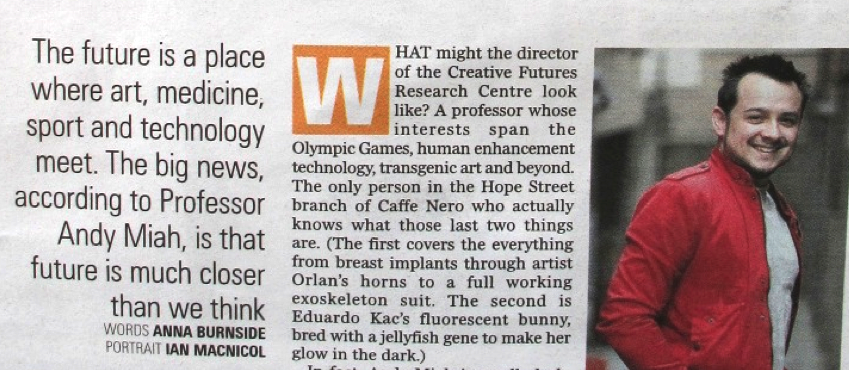
As one of the earlier writers on posthumanist thought, my ideas have sought to make sense of how humans live in times of radical technological change.
"My interest in technology spans debates about enhancing evolution through human enhancement and the rise of alternative digital worlds"
I was part of the early scholarly transhumanist community, which grew up at the end of the millennium and includes some notable figures like Nick Bostrom, Anders Sandberg, and Natasha Vita-More.
I’ve also been involved with some of the pioneering projects examining the ethics of human enhancement, particularly working with The Hasting Center New York, Oxford University, and a variety of European institutions.
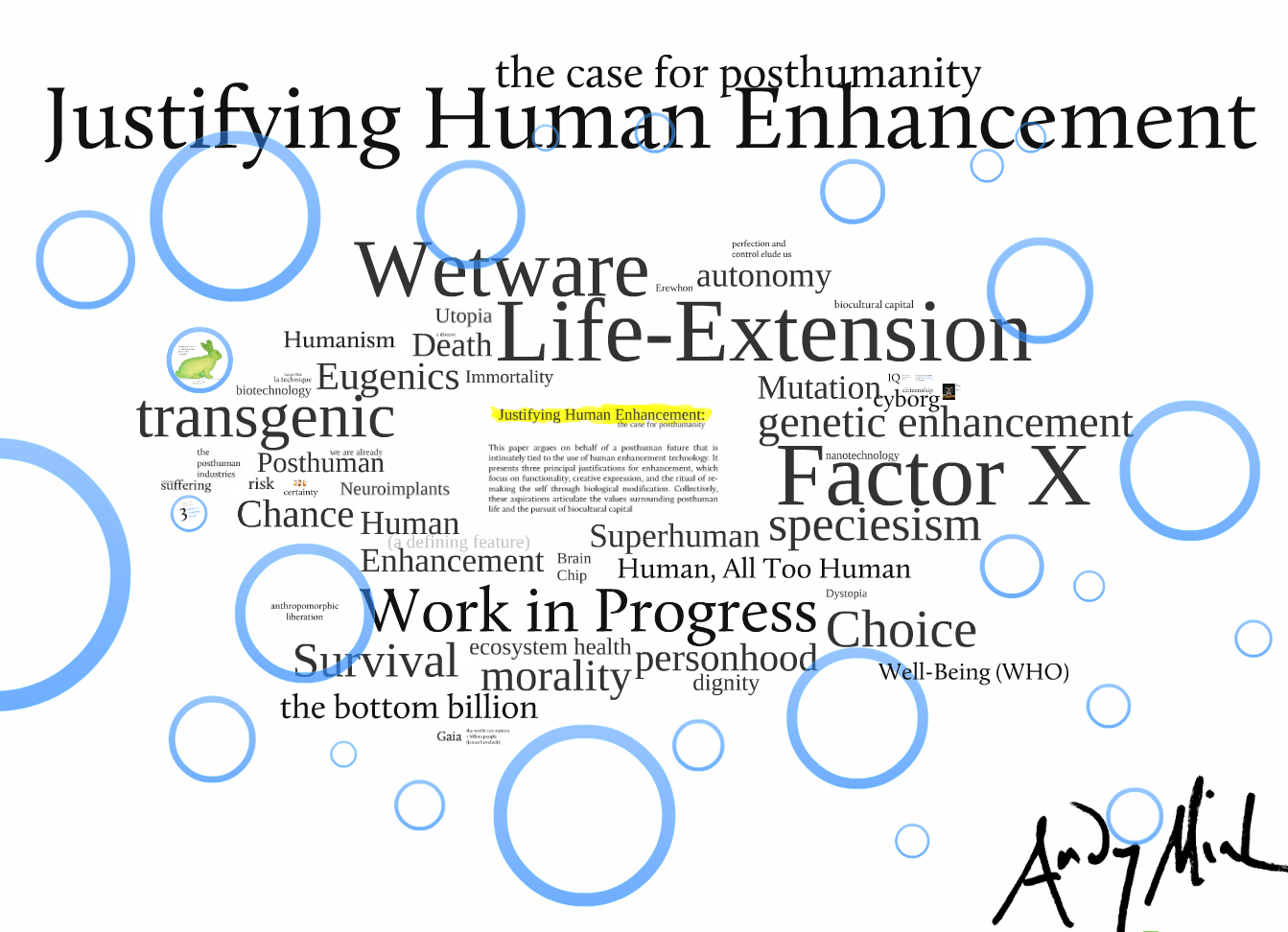
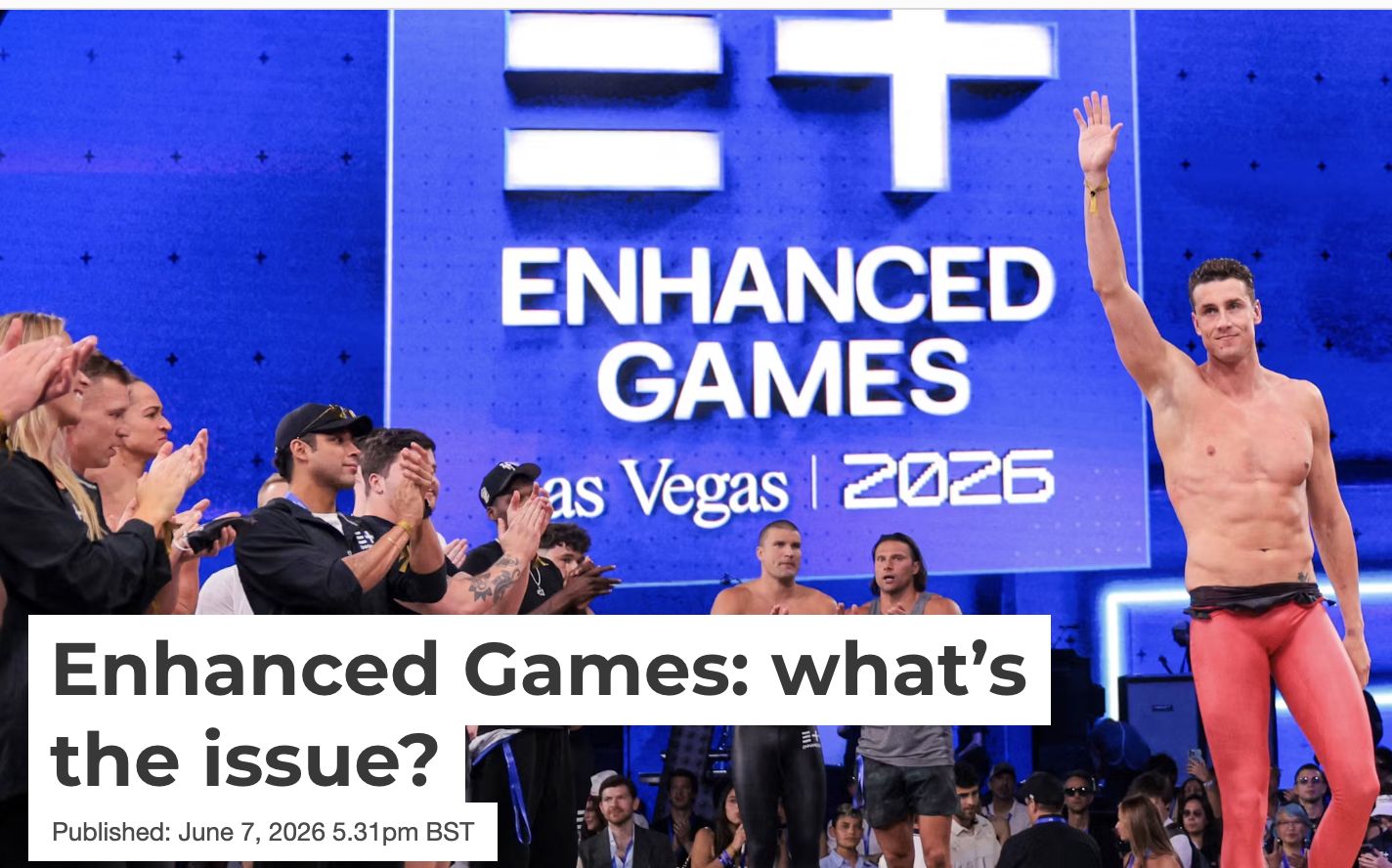
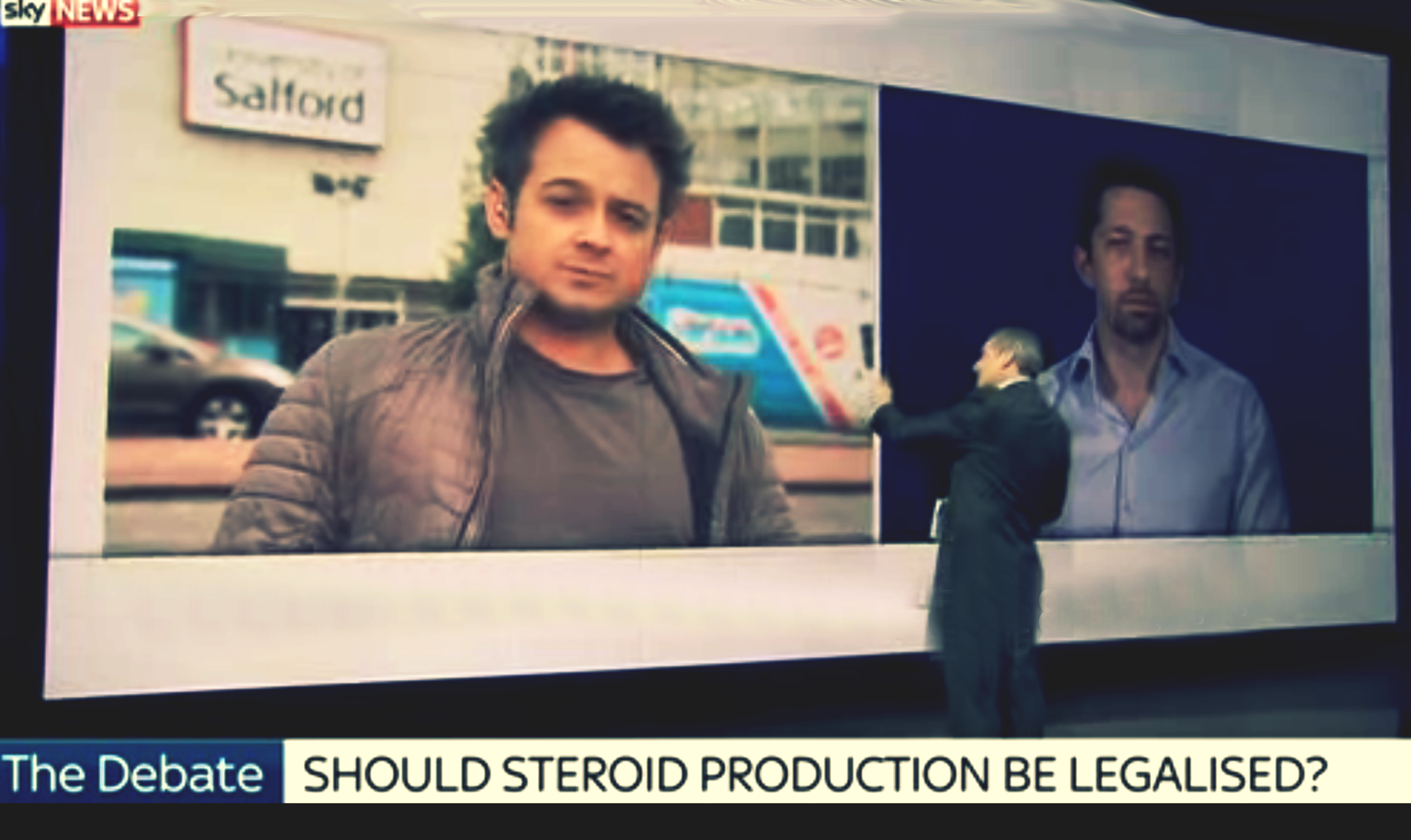
My early work focused on the transformation of athletic potential through technology as frontrunners in the human enhancement milieu. This research grew quickly into a broader focus on the ethics and cultural study of human enhancement, along with biolegal research. At the turn of the century, the human genome project and the growing shift in language within research and medicine to think of ageing as a disease rather than just something that people encounter as they grow old, focused my work on the range of ways that humanity could be made more resilient and more biologically adaptable by way of human enhancements.
Over the years, I have written about various kinds of enhancement, from memory deletion to genetic modification and I've published in journals of law, philosophy, cultural studies, sociology and science. After completing my PhD in 2002, I undertook a Master degree in Medical Law, which really brought home how crucial it is for these discussions to borrow from different disciplinary insights. Since then, I have been involved with a range of international projects, focused on human enhancement. Alongside this work, I have developed theoretical perspectives on posthumanism, cyborg culture, and challenges to conventional bioethics.
LATEST









![Posthumanism & Sport [VIDEO]](https://images.squarespace-cdn.com/content/v1/563face7e4b06c325c739ba9/1447019582694-VHW41G2KHEQ4PGOG6PB7/image-asset.png)